What Age Can Kids Start Water Polo?

One of the most common questions parents ask us at Gator Water Polo is:

“What age can kids start water polo?”

The answer surprises a lot of people.

In my experience coaching youth water polo, most kids are ready to start around 7 or 8 years old — and they do not need years of elite swim experience beforehand.

If a child can swim about 25 yards unassisted, pay attention for around an hour, and enjoys being active, they are probably ready to give water polo a try.

The rest? Coaches can teach.

That is one of the biggest misconceptions parents have about water polo. Many people think it is impossible to start unless a child is already a great swimmer. In reality, if a kid is an okay swimmer, we can teach the rest. Once a child gets in the water with a ball, everything changes. Their excitement level changes. Their confidence changes. Their motivation changes.

Honestly, getting them to the first practice is usually the hardest part.

Water Polo Is More Beginner-Friendly Than Parents Think

A lot of parents imagine water polo as an extremely aggressive or impossible sport to learn. They picture Olympic athletes throwing the ball 60 miles per hour while wrestling underwater.

That is not what beginner youth water polo looks like.

At the younger ages, it is about:

  • Learning to move confidently in the water
  • Developing coordination
  • Having fun with teammates
  • Building confidence
  • Becoming a stronger swimmer naturally through practice

Kids do not show up knowing how to eggbeater kick, pass, shoot, or understand tactics. Coaches teach all of that step by step.

In fact, many kids who start water polo quickly become dramatically better swimmers because of the sport.

My Own Experience Starting “Late”

Parents also worry that if their child does not start at 5 years old, they are already behind.

That simply is not true.

I personally did not start playing water polo until I was 13 years old.

Would starting earlier have helped? Sure.

But kids who start later can still become very successful athletes if they commit to the process and stick with the program consistently.

The reality is this:
Consistency matters more than starting ultra-young.

What Actually Makes a Good Young Water Polo Player?

People assume the best athletes succeed immediately in water polo.

But from years of coaching, the traits that matter most are:

  • Coachability
  • Consistency
  • Confidence
  • Listening skills
  • Teamwork
  • Mental toughness
  • Willingness to stick with it

Of course athletic ability helps, but kids who consistently show up and trust the process usually develop into very strong players over time.

What Does a First Water Polo Practice Look Like?

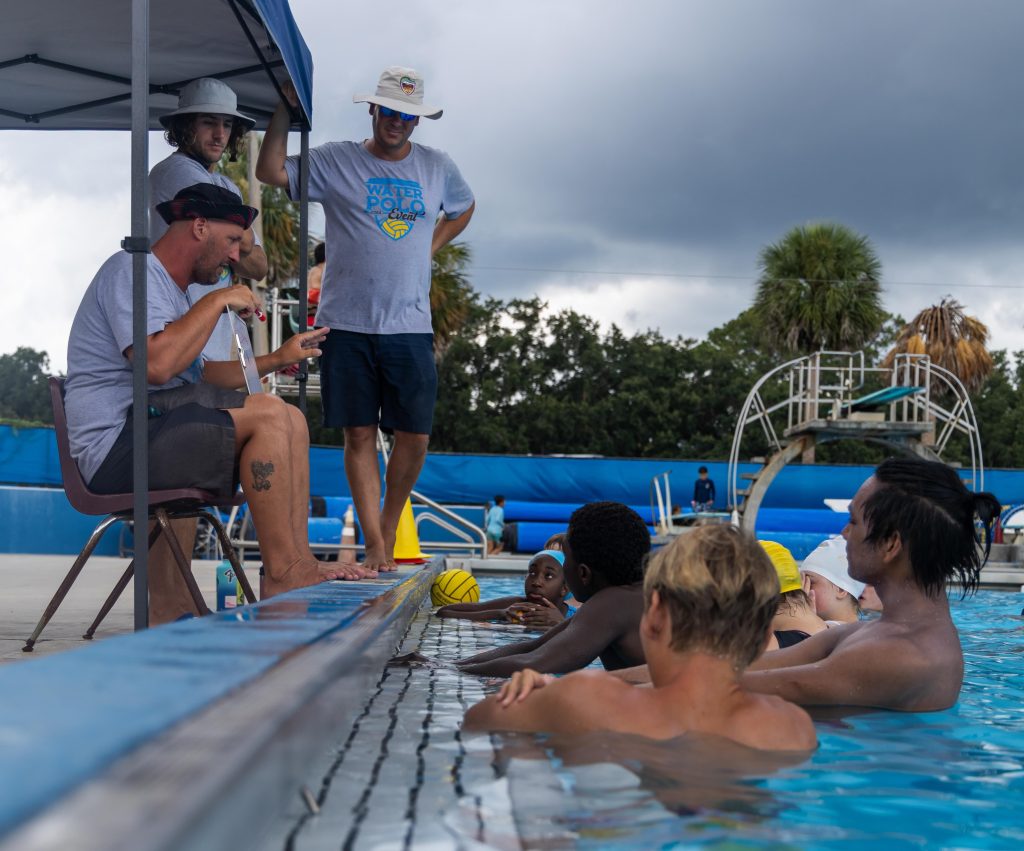
One thing I always want parents to understand is that first practices are designed to be welcoming.

At Gator Water Polo, families are welcomed into the environment right away, and we usually do not charge for the first few practices because we want kids to experience the sport before making a commitment.

A typical beginner practice usually looks something like this:

1. Meet the Coaches & Team

Kids meet the coaches, other athletes, and begin getting comfortable around the group.

2. Swim & Strength Work

The team starts with swimming and conditioning work for about 30 minutes.

This includes:

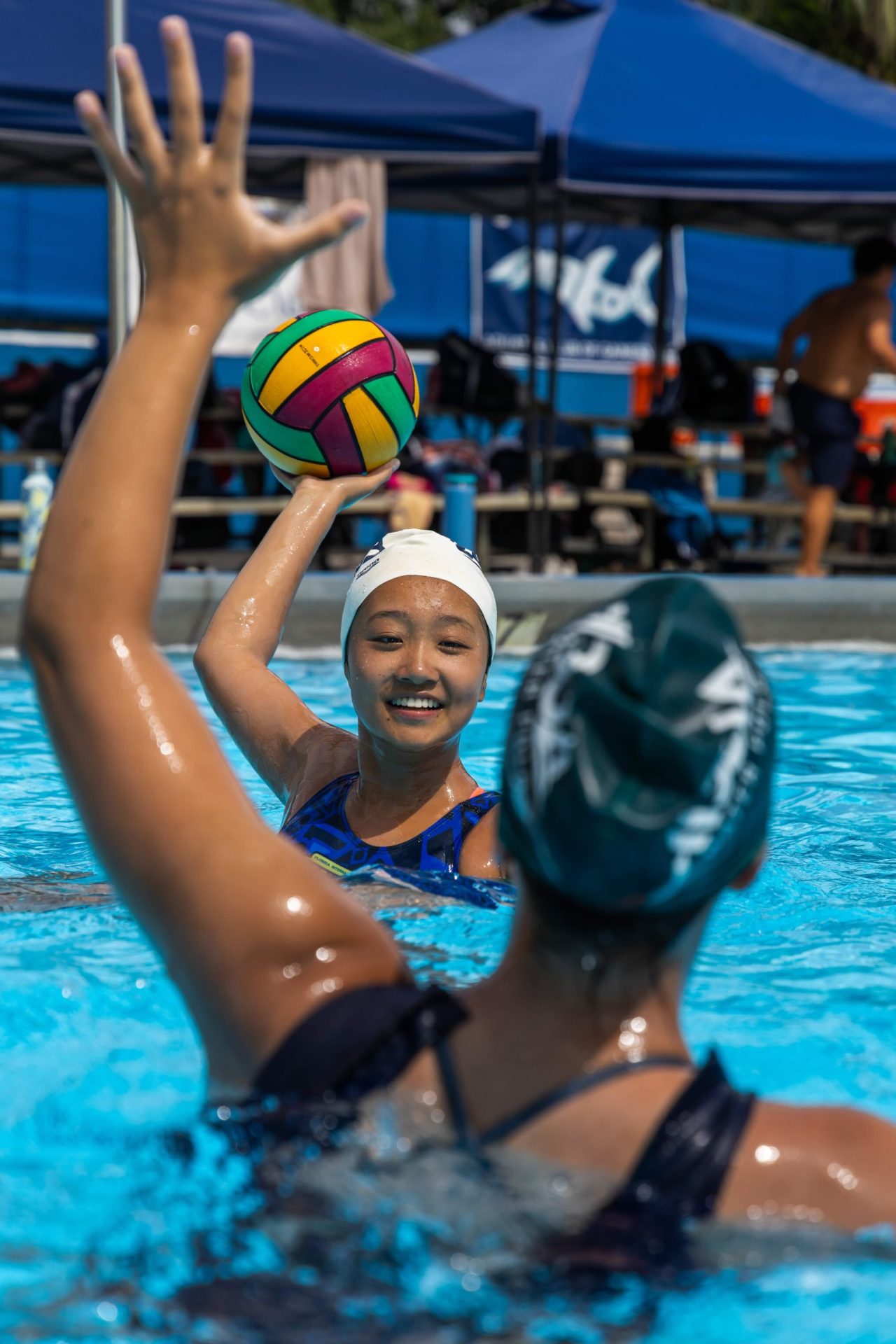
  • Swimming with the ball
  • Warm-up swimming
  • Eggbeater kicking
  • Leg strength development
  • Basic water movement

3. Tactical Skill Work

After warmups, coaches introduce a tactical drill or skill focus for the day.

This might include:

  • Passing
  • Shooting
  • Defensive positioning
  • Ball movement
  • Counter attacks

4. Controlled Scrimmage

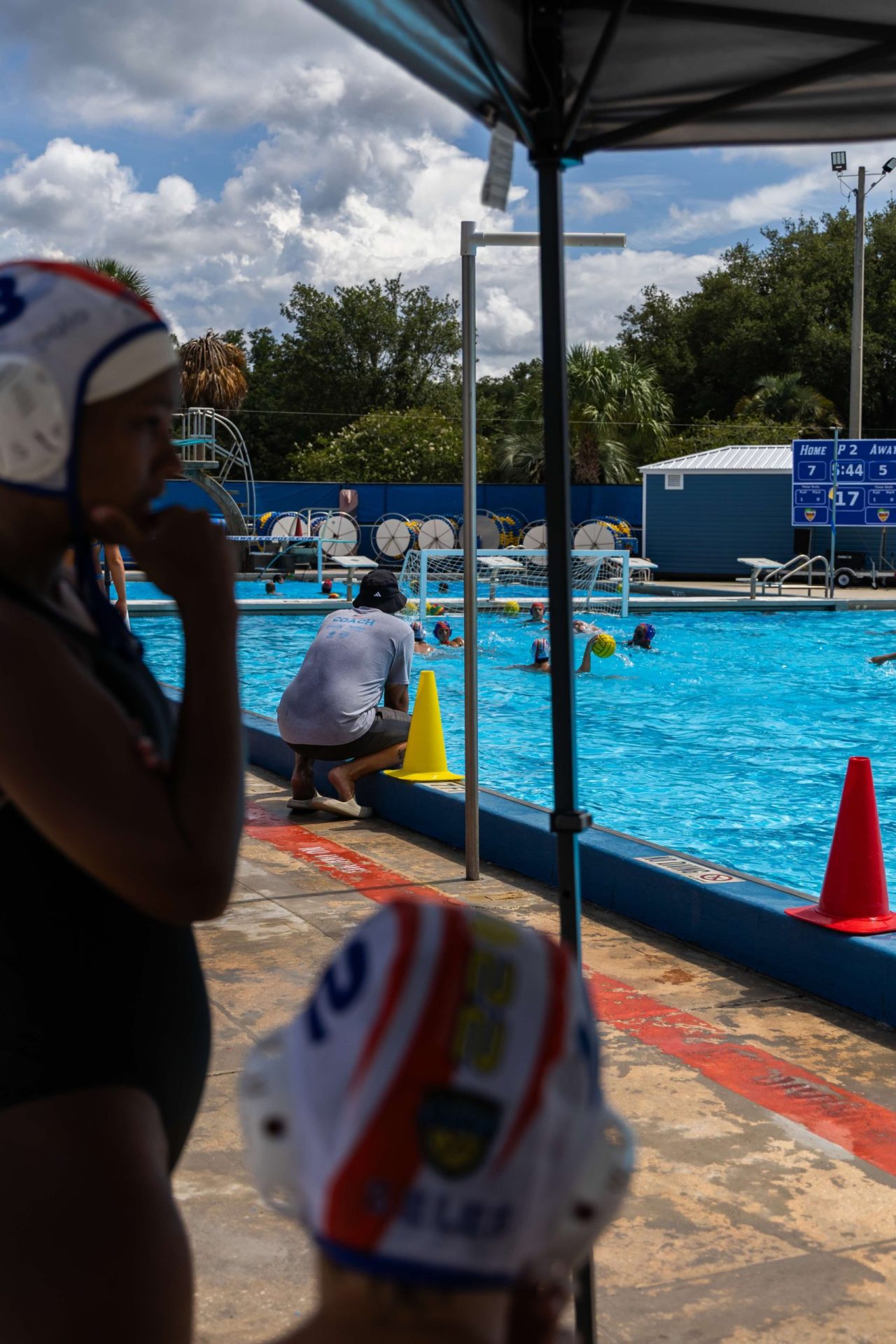
Practices usually end with a live or controlled scrimmage where kids get to apply what they learned in an actual game setting.

And honestly? This is usually the moment kids fall in love with the sport.

The Biggest Changes We See in Kids

The benefits of water polo go way beyond the pool.

Over time, we consistently see kids develop:

  • More confidence
  • Better physical fitness
  • Stronger swimming ability
  • Improved discipline
  • Leadership skills
  • Teamwork skills
  • Mental toughness

We also often see improvements in the classroom.

There is something unique about the combination of physical activity, structure, accountability, and team culture that carries over into other parts of life.

Why Water Polo Feels Different Than Many Youth Sports

One thing parents often notice immediately is that water polo tends to have a very different culture compared to sports like baseball, basketball, or soccer.

At least in our experience, the environment is usually much more low-key and family-oriented.

The parents are supportive without being overbearing. The kids work hard, compete hard, and become physically and mentally stronger — but the atmosphere still feels fun and community-driven.

That balance is important.

Especially today.

Is There Such a Thing as Starting Too Young?

Personally, I believe younger kids should focus on being active, having fun, and trying multiple sports.

At 7 or 8 years old, the goal should not be intense specialization.

It should be:

  • Learning
  • Developing confidence
  • Building athleticism
  • Falling in love with movement and competition

As kids get older and mature physically and mentally, training intensity can naturally increase because they are ready for it.

Final Advice for Parents

If I could give parents one piece of advice, it would be this:

Give your child the opportunity.

You, as the parent, are the one who can get them to the pool for that first practice.

Help them see the possibilities.

Because once kids actually get in the water and experience water polo, most active kids absolutely love it — especially kids who enjoy sports, ball sports, or just being in the water during the hot Florida weather.

Water polo is still one of the most overlooked youth sports in America, and in my opinion, it is one of the best sports out there for both kids and adults.

Sometimes all it takes is taking the plunge and trying that first practice.