Water Polo Rules Explained for Parents
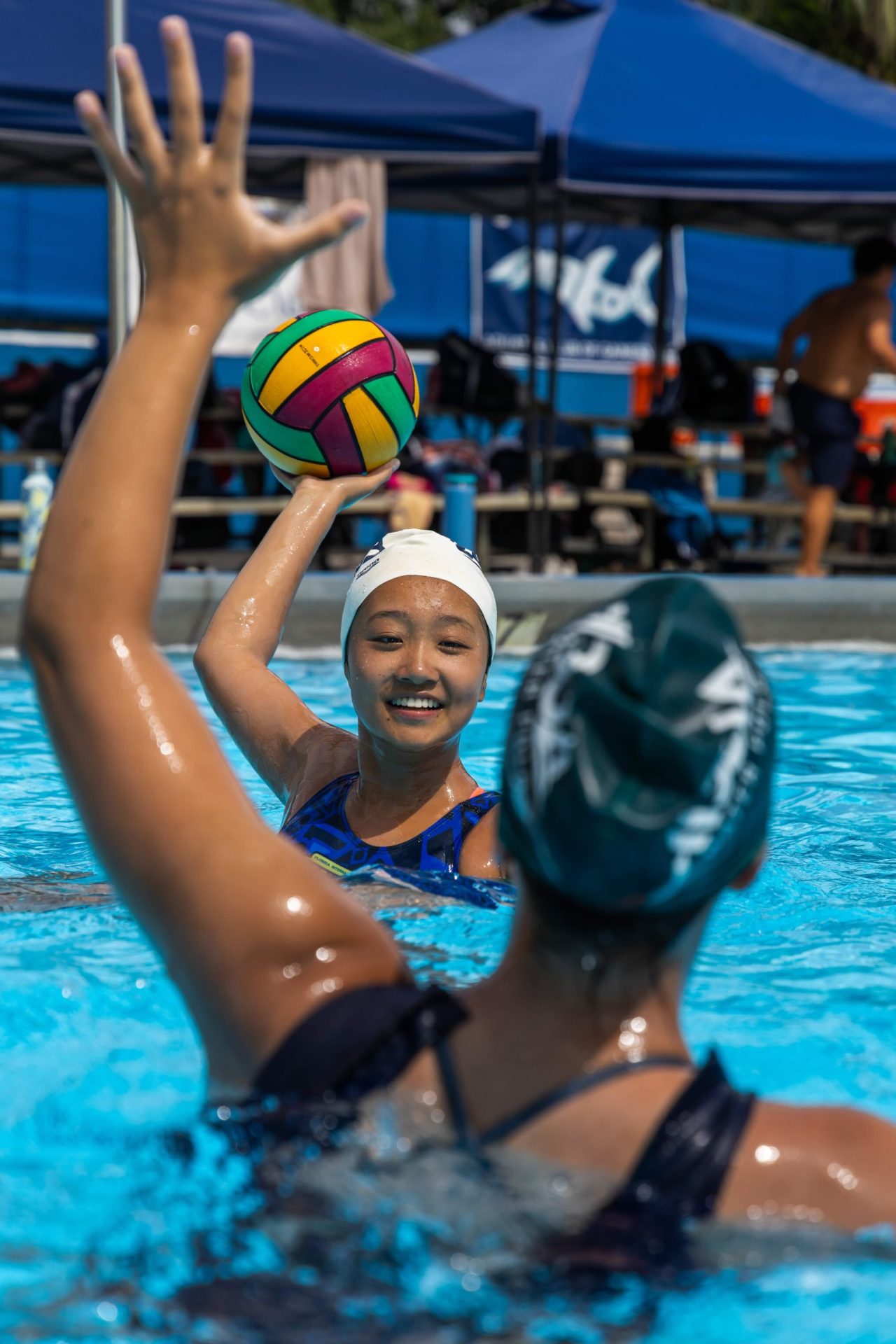
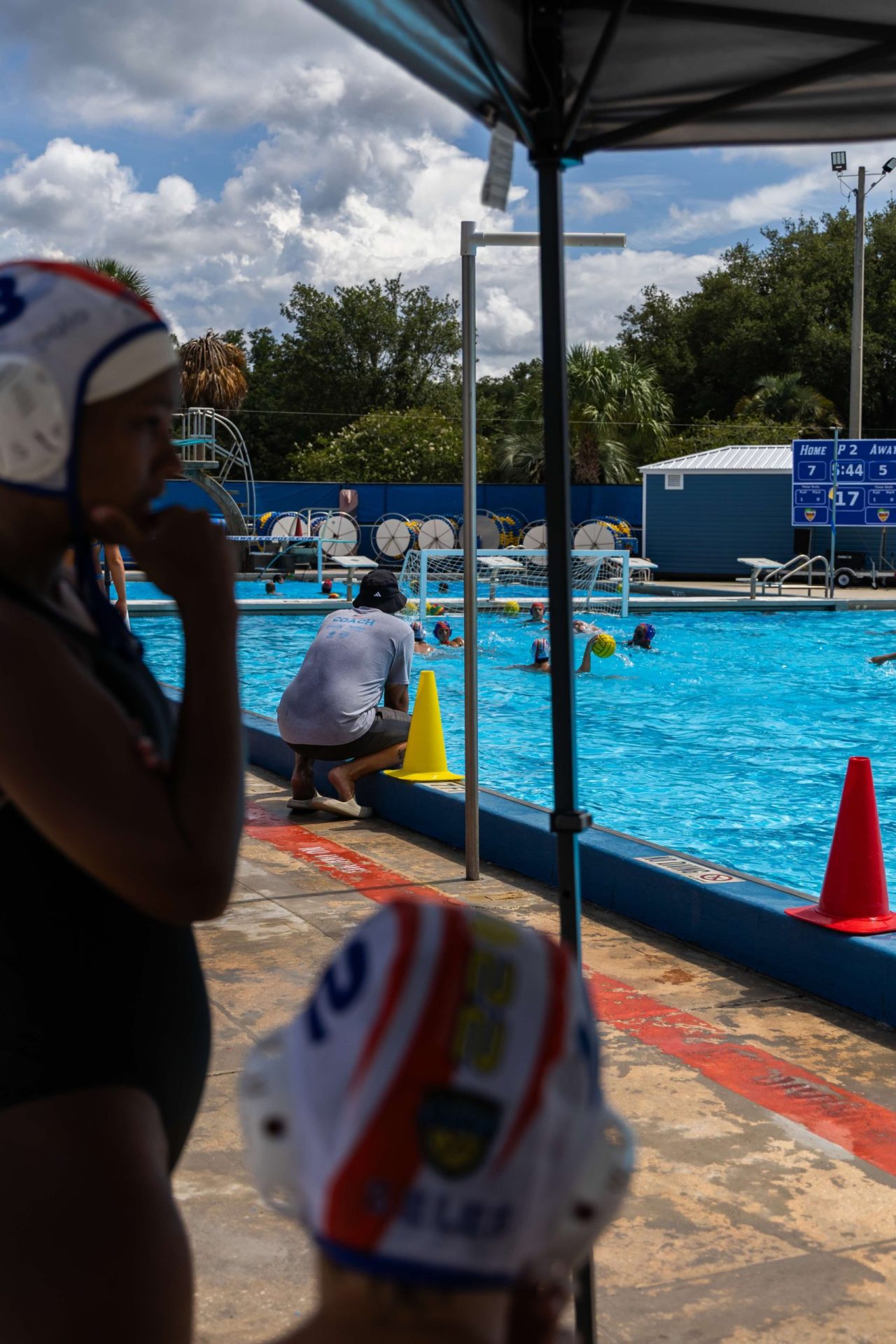
For many parents new to the sport, water polo can feel confusing at first. The game moves quickly, whistles happen constantly, and it may seem difficult to understand why referees are stopping play.
The good news is that once families learn a few basic rules, water polo becomes much easier — and much more exciting — to watch.
At Gator Water Polo, we regularly help new parents understand the fundamentals of the game so they can better support and enjoy their athlete’s experience.
The Goal of Water Polo
The objective of water polo is simple:
Score more goals than the opposing team.
Teams move the ball by:
- Swimming
- Passing
- Driving
- Shooting
while trying to defend their own goal at the same time.
How Many Players Are in the Pool?
Each team has:
- 6 field players
- 1 goalie
for a total of:
7 players in the water per team
Teams also have substitute players on the bench who rotate in throughout the game.
How Long Is a Water Polo Game?
Game length varies depending on:
- Age group
- League
- Tournament rules
Most games are divided into:
4 quarters
with breaks between periods.
Younger athletes often play shorter games than high school, college, or professional teams.
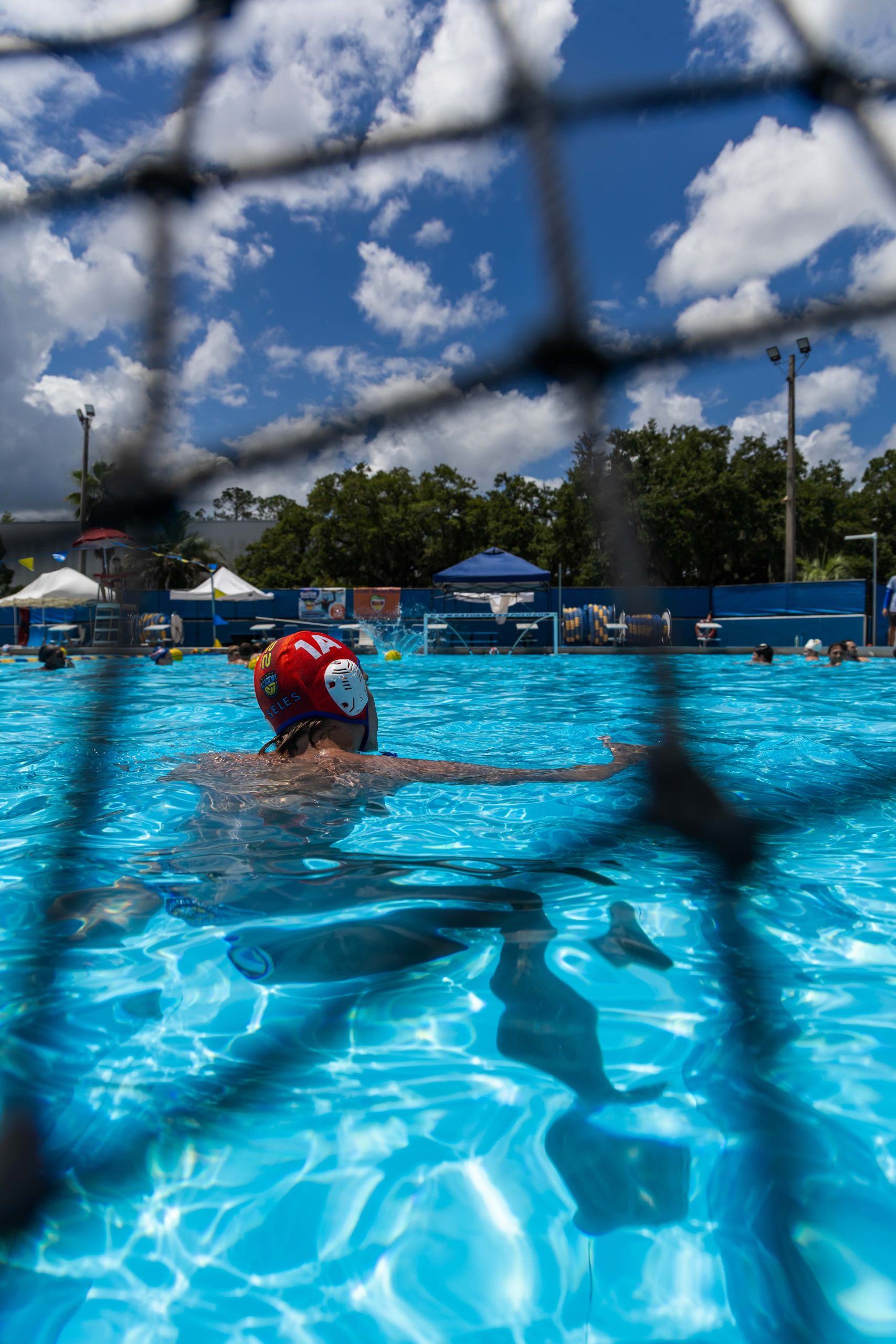
Players Cannot Touch the Bottom
One of the most unique parts of water polo is that athletes:
- Swim continuously
- Tread water constantly
- Cannot touch the bottom of the pool during play
This is why conditioning and eggbeater kicking are so important in water polo.
What Is the Shot Clock?
Teams have a limited amount of time to take a shot before possession changes.
This is called the:
Shot Clock
The shot clock keeps the game moving quickly and prevents teams from holding the ball too long.
Once the shot clock expires:
- Possession goes to the other team
What Is an Exclusion?
One of the most common whistles parents hear is an:
Exclusion foul
This happens when a defender commits a major foul, usually involving:
- Holding
- Pulling back
- Sinking
- Interfering with an offensive player
When excluded:
- The player must swim to the penalty area
- Their team temporarily plays one player short
This creates a:
6-on-5 power play
for the offense.
What Is an Ordinary Foul?
Ordinary fouls are minor fouls that happen frequently during games.
Examples include:
- Minor contact
- Interfering with movement
- Certain defensive positioning violations
After an ordinary foul:
- Play usually continues immediately
- The offense receives a free pass
These whistles help maintain flow and spacing during the game.
Can Players Be Physical?
Yes — water polo is a physical sport.
Players are constantly:
- Battling for position
- Defending drives
- Pressuring the ball
- Fighting for space
However, referees monitor dangerous or excessive contact closely.
Youth programs focus heavily on:
- Safety
- Proper technique
- Sportsmanship
- Age-appropriate development
What Is a Counterattack?
A counterattack happens when:
- A team quickly transitions from defense to offense
This often creates fast-break scoring opportunities before the defense can fully recover.
Counterattacks are one of the fastest and most exciting parts of water polo.
What Is a Center Position?
The:
Center (or set player)
plays near the opponent’s goal and often battles defenders directly in front of the cage.
This is one of the most physical positions in the pool and is a major part of offensive strategy.
Why Are There So Many Whistles?
New parents are often surprised by how many whistles occur during games.
Officials use whistles to:
- Control physical play
- Maintain player safety
- Enforce spacing and positioning rules
- Manage exclusions and possession
As families watch more games, the whistles become easier to understand.
Water Polo Gets Easier to Watch Over Time
At first, the game may feel:
- Fast
- Chaotic
- Difficult to follow
But after watching a few matches, most parents quickly begin recognizing:
- Offensive movement
- Counterattacks
- Exclusions
- Defensive positioning
- Team strategy
Once the basics click, water polo becomes incredibly exciting to watch.
Tips for Parents Watching Their First Game
Focus on:
- Ball movement
- Team transitions
- Goalie communication
- Player spacing
- Counterattacks
Do not worry about understanding every whistle immediately — even experienced fans continue learning the game over time.
Water Polo Builds More Than Athletic Skill
Many families love water polo because athletes develop:
- Leadership
- Teamwork
- Confidence
- Conditioning
- Communication
- Mental toughness
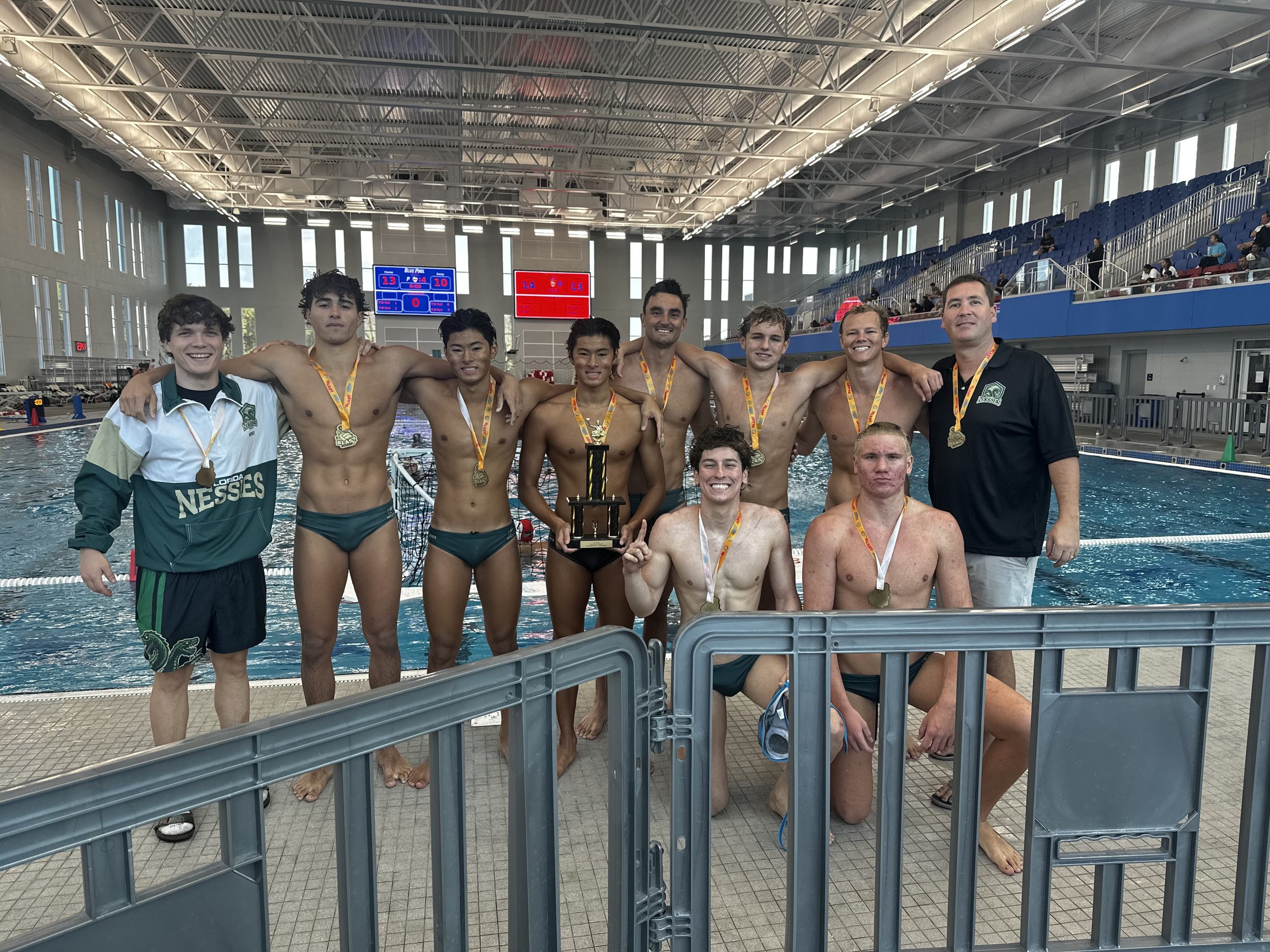
The sport creates a strong sense of team culture and community.
Looking for Youth Water Polo in Gainesville, Florida?
Gator Water Polo offers beginner, youth, and Masters water polo programs in Gainesville. Our coaching staff helps athletes and families learn the game in a welcoming and supportive environment.
New athletes are always welcome to attend a first practice for free and experience the sport of water polo firsthand.