Water Polo Passing Basics
One of the very first skills new water polo players learn is passing.
And honestly?
Good passing is one of the most important foundations in the entire sport.
At Gator Water Polo, we teach young athletes early that great teams are built around:
- Ball movement
- Communication
- Trust
- Teamwork
Not just individual scoring.
Because no matter how athletic a player is, water polo becomes very difficult without strong passing fundamentals.
Why Passing Matters So Much in Water Polo
Passing controls the pace of the game.
Good passing helps teams:
- Create scoring opportunities
- Move defenses
- Start counter attacks
- Maintain possession
- Reduce turnovers
At younger ages especially, passing is often more important than shooting.
Teams that pass well usually:
- Stay calmer
- Work together better
- Create cleaner offensive opportunities
And players who become strong passers tend to develop better overall water polo IQ over time.
Beginners Do NOT Need Perfect Technique Immediately
This is important for parents and athletes to understand.
New players are often trying to learn:
- Swimming
- Treading water
- Eggbeater kicking
- Ball handling
- Positioning
all at the same time.
So passing can feel awkward initially.
That is completely normal.
At the beginner level, the first goal is simply helping athletes:
- Become comfortable handling the ball
- Learn basic control
- Build confidence throwing and catching
Everything else develops through repetition.
The Most Important Beginner Passing Skills
1. Head-Up Swimming
One of the first things young athletes learn is swimming while keeping their head up.
Why?
Because water polo players need to:
- See teammates
- Read defenders
- Watch the play develop
Passing starts with awareness.
At Gator Water Polo, we spend a lot of time helping younger athletes feel comfortable moving through the water while controlling the ball.
2. Strong Ball Control
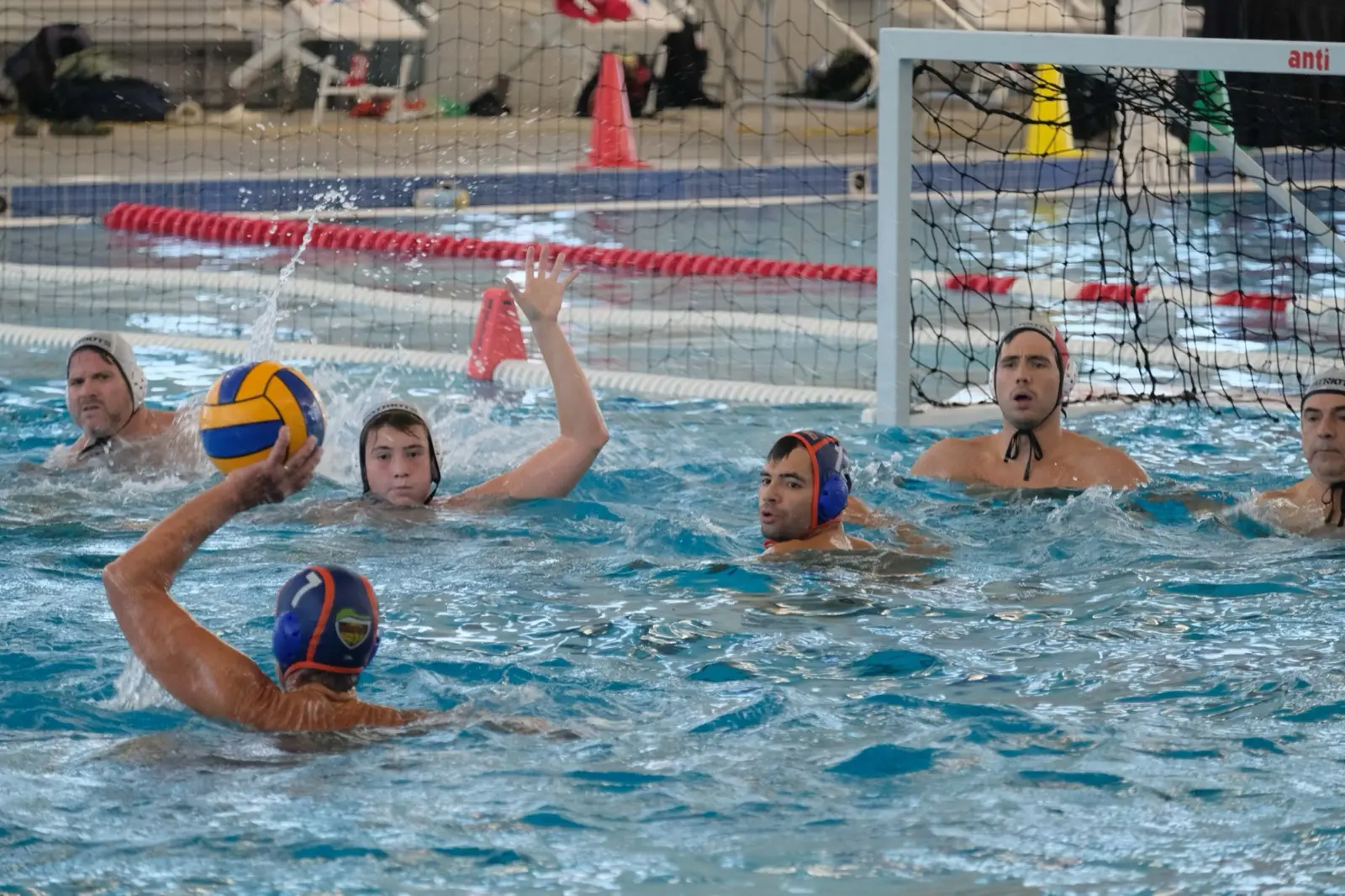
Before players can pass consistently, they need confidence holding the ball.
Beginners work on:
- Picking up the ball cleanly
- Keeping the wrist relaxed
- Handling the ball with one hand
- Protecting the ball under pressure
This takes time.
Young athletes are developing coordination and water comfort simultaneously.
3. Passing With the Legs
One of the biggest surprises for beginners is that passing power does not come only from the arm.
It comes heavily from:
- Eggbeater kick
- Core stability
- Body position
Strong legs create strong passes.
That is one reason coaches spend so much time developing eggbeater fundamentals early.
4. Accuracy Over Power
Young athletes often try to throw the ball as hard as possible.
But for beginners, accuracy matters far more than velocity.
Good beginner passing focuses on:
- Clean technique
- Controlled movement
- Hitting teammates accurately
- Making smart decisions
Power develops naturally later as athletes grow stronger.
Common Beginner Passing Mistakes
Every new player makes mistakes learning to pass.
That is part of development.
Throwing Too Hard
Beginners often rush and overpower passes unnecessarily.
Looking Down
Players struggle when they stop scanning the pool.
Flat Legs
Weak leg support usually leads to weak or inaccurate passing.
Panicking Under Pressure
Young athletes improve tremendously once they relax and trust themselves.
Why Passing Helps Build Team Players
One thing I love about water polo is how much teamwork matters.
Passing teaches kids:
- Trust
- Communication
- Awareness
- Patience
- Unselfish play
And often, the best young players are not necessarily the biggest scorers.
They are the players who help the team function smoothly.
At Gator Water Polo, we constantly encourage athletes to understand that moving the ball well is just as valuable as scoring.
Fun Passing Games Help Kids Learn Faster
Especially for younger athletes, learning through games is incredibly effective.
Some of the best beginner passing activities include:
- Passing relays
- Keep-away games
- Small-team scrimmages
- Moving target drills
- Partner passing competitions
Why?
Because kids improve fastest when:
- They stay active
- They stay engaged
- They are having fun
Game-based learning builds confidence naturally.
Passing Improves Water Polo IQ
As athletes become stronger passers, they also become smarter players.
They begin learning:
- Timing
- Spacing
- Offensive movement
- Defensive reactions
- Anticipation
That tactical awareness becomes extremely valuable as athletes grow older in the sport.
What Parents Should Focus On
One of the best things parents can do is avoid overanalyzing mistakes.
Passing development takes time.
Instead of focusing on:
- Turnovers
- Missed passes
- Bad decisions
look for:
- Confidence growth
- Better awareness
- Improved communication
- Willingness to keep trying
Those are signs of long-term development.
Great Passing Creates Great Teams
One thing experienced coaches know:
Teams with strong ball movement are almost always harder to defend.
Players who pass well:
- Make teammates better
- Create offensive flow
- Build stronger team chemistry
And young athletes who develop passing skills early often become much more complete water polo players later.
Final Thoughts
Passing is one of the core building blocks of water polo.
For beginners, the goal should not be perfection immediately.
The goal should be:
- Building confidence
- Learning control
- Understanding teamwork
- Becoming comfortable handling the ball
With consistency and repetition, passing gradually becomes second nature.
And once young athletes begin confidently moving the ball around the pool, the game of water polo starts becoming much more exciting, and much more fun.